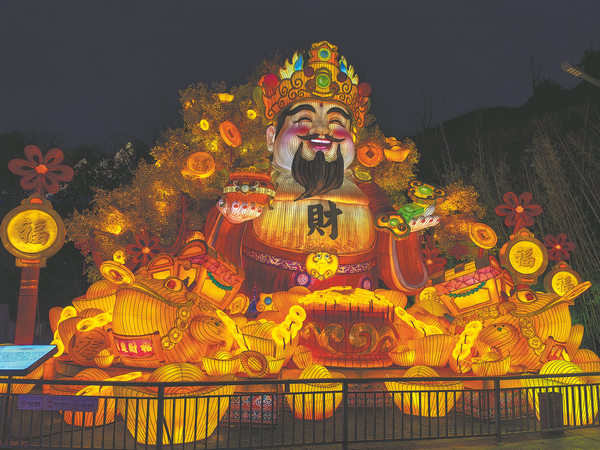
God of Wealth
Introduction
In Chinese culture, the God of Wealth, known as Caishen, is a revered deity symbolizing prosperity, fortune, and good luck. Celebrated particularly during the Chinese New Year, Caishen is believed to bring wealth and success to households and businesses. Often depicted as a bearded man in traditional robes, holding a gold ingot or a scroll, Caishen's imagery varies across regions, but his role as a bringer of prosperity remains constant. Worshippers honor him with offerings and prayers, seeking his blessings for financial success and abundance in the coming year.
Historical Background
The concept of the God of Wealth has ancient roots, with its origins deeply intertwined with the socio-economic and religious practices of early civilizations. In Chinese culture, the God of Wealth is often associated with Zhao Gongming, a legendary figure who is believed to have lived during the Qin Dynasty (221-206 BC). Zhao Gongming is depicted as a powerful and benevolent deity who brings wealth and good fortune to his followers. Historical records and folklore describe him as a protector of merchants and a symbol of financial stability.
The worship of the God of Wealth gained prominence during the Ming and Qing Dynasties (1368–1911), when trade and commerce flourished in China. Temples dedicated to the deity were established, and rituals were performed to seek blessings for prosperity. The association of the God of Wealth with festivals such as the Chinese New Year further solidified its role in cultural traditions. Over time, the deity's image evolved, incorporating elements from various regional beliefs and artistic interpretations.
In addition to Chinese traditions, the concept of a deity representing wealth and prosperity can be found in other cultures, such as Hinduism, where Lakshmi is worshipped as the goddess of wealth, and Roman mythology, which includes Fortuna, the goddess of fortune. These parallels highlight the universal human desire for abundance and financial security.
Cultural Significance
In Chinese culture, the deity is often invoked during the Spring Festival, a time of renewal and celebration. Families perform rituals and offer sacrifices to the God of Wealth, seeking blessings for a prosperous year ahead. The deity's image is prominently displayed in homes, businesses, and temples, reflecting its integral role in daily life and spiritual practices.
The God of Wealth also represents the values of hard work, generosity, and ethical conduct. By honoring the deity, individuals and communities express their commitment to achieving success through virtuous means. This cultural ethos is evident in traditional stories and legends, which often emphasize the importance of integrity and diligence in attaining wealth.
In modern times, the God of Wealth continues to inspire creativity and innovation. From artistic depictions to commercial products, the deity's image is used to convey messages of good fortune and prosperity. This enduring relevance underscores the deep-rooted connection between cultural heritage and contemporary society.
Variations Across Cultures
Chinese God of Wealth
In Chinese tradition, the God of Wealth is most commonly represented by Zhao Gongming, who is often depicted riding a tiger and holding a gold ingot and a cudgel. This imagery symbolizes strength, authority, and the ability to bestow wealth. Temples dedicated to Zhao Gongming, such as the Zhengyici Theater in Beijing, serve as places of worship and cultural preservation. The theater, originally built on the ruins of a Buddhist temple, has a rich history of hosting performances and rituals that honor the God of Wealth.
During the Spring Festival, special performances and ceremonies are held to celebrate the deity. For example, the Kunqu Opera "Tianguan Cifu" features themes of good fortune and blessings, incorporating the God of Wealth into its narrative. These cultural expressions highlight the deity's role in fostering a sense of community and shared prosperity.
Other Cultural Interpretations
Beyond China, the concept of the God of Wealth manifests in various forms across different cultures. In Hinduism, Lakshmi is revered as the goddess of wealth and prosperity. She is often depicted seated on a lotus flower, surrounded by symbols of abundance. Similarly, in Roman mythology, Fortuna represents fortune and luck, embodying the unpredictable nature of wealth.
These cultural variations reflect the universal appeal of the God of Wealth as a symbol of hope and aspiration. While the specific attributes and rituals may differ, the underlying themes of prosperity and well-being remain consistent.
Worship and Practices
Rituals and Offerings
Worship of the God of Wealth involves a variety of rituals and offerings designed to attract prosperity and good fortune. Common practices include lighting incense, presenting food and drink, and reciting prayers or chants. Gold ingots, coins, and other symbols of wealth are often used as offerings, signifying the devotee's desire for financial success.
In traditional Chinese culture, the God of Wealth is honored during the Spring Festival with elaborate ceremonies and performances. Families clean their homes, prepare special meals, and display red decorations to create an auspicious environment. These rituals are believed to invite the deity's blessings and ensure a prosperous year ahead.
Festivals and Celebrations
The Chinese New Year is one of the most significant occasions for worshipping the God of Wealth. During this time, communities come together to celebrate with parades, fireworks, and cultural performances. The deity's image is prominently featured in decorations, and special events are organized to honor its presence.
In addition to the Chinese New Year, other celebrations, such as the Lantern Festival and the Mid-Autumn Festival, also include rituals dedicated to the God of Wealth. These events highlight the deity's enduring importance in cultural traditions and its role in fostering unity and joy.
Influence in Modern Society
The God of Wealth continues to influence modern society, particularly in the realms of commerce, art, and popular culture. Products featuring the deity's image, such as fridge magnets, cellphone cases, and red envelopes, are popular during festive seasons. These items not only serve as symbols of good fortune but also reflect contemporary consumer preferences for practicality and innovation.
The deity's influence extends to social media and online platforms, where young people share ideas for celebrating festivals and incorporating traditional elements into modern lifestyles. This blending of old and new demonstrates the adaptability of cultural heritage in a rapidly changing world.
Depictions in Art and Literature
The God of Wealth has been a recurring theme in art and literature, inspiring countless works that explore its symbolism and significance. In traditional Chinese opera, the deity is often portrayed as a powerful and benevolent figure, embodying the values of prosperity and generosity. Performances such as "Tianguan Cifu" and "The Peony Pavilion" incorporate elements of the God of Wealth, enriching their narratives with themes of fortune and renewal.
Visual art also plays a crucial role in depicting the God of Wealth. Paintings, sculptures, and prints often feature the deity in dynamic poses, surrounded by symbols of abundance. These artistic representations not only celebrate the deity's attributes but also serve as a testament to its enduring cultural relevance.








